Before Denver was Denver, it was home to the Ute, Cheyenne, and Arapaho tribes, among several others.
1871
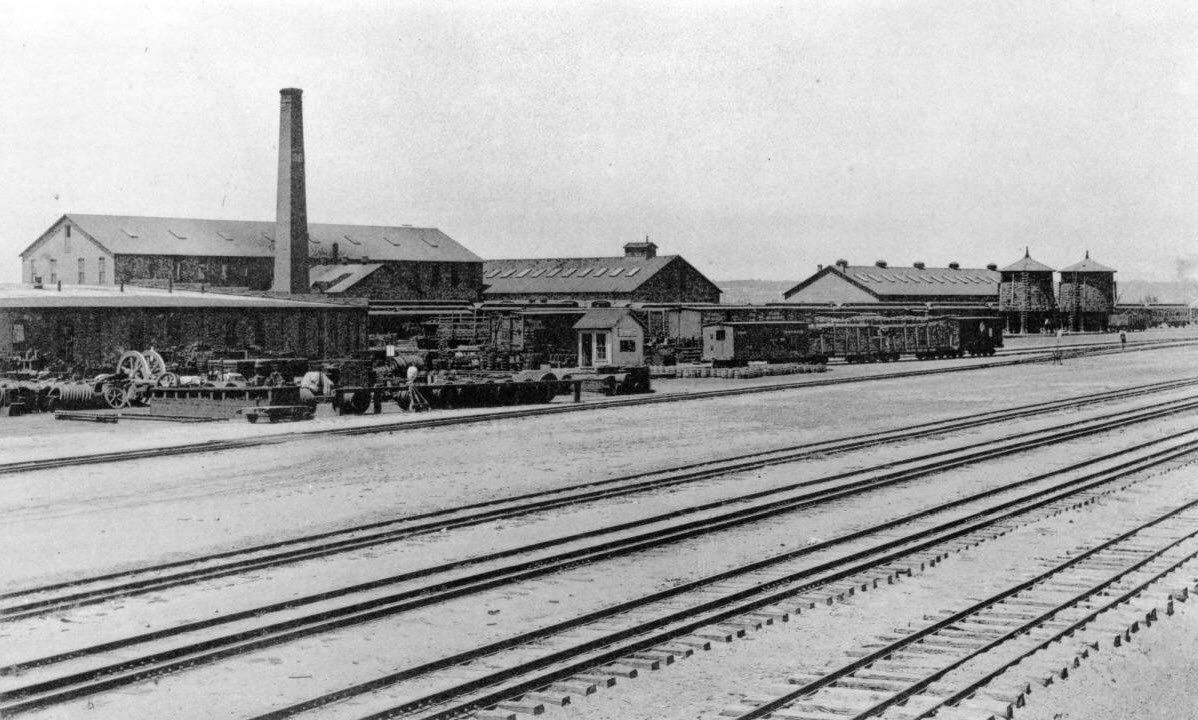
The Denver & Rio Grande Railroad (D&RG) acquired the land from territorial governor Alexander Cameron Hunt five years before Colorado statehood. Burnham Yard was named after George Burnham of Baldwin Locomotive Works.
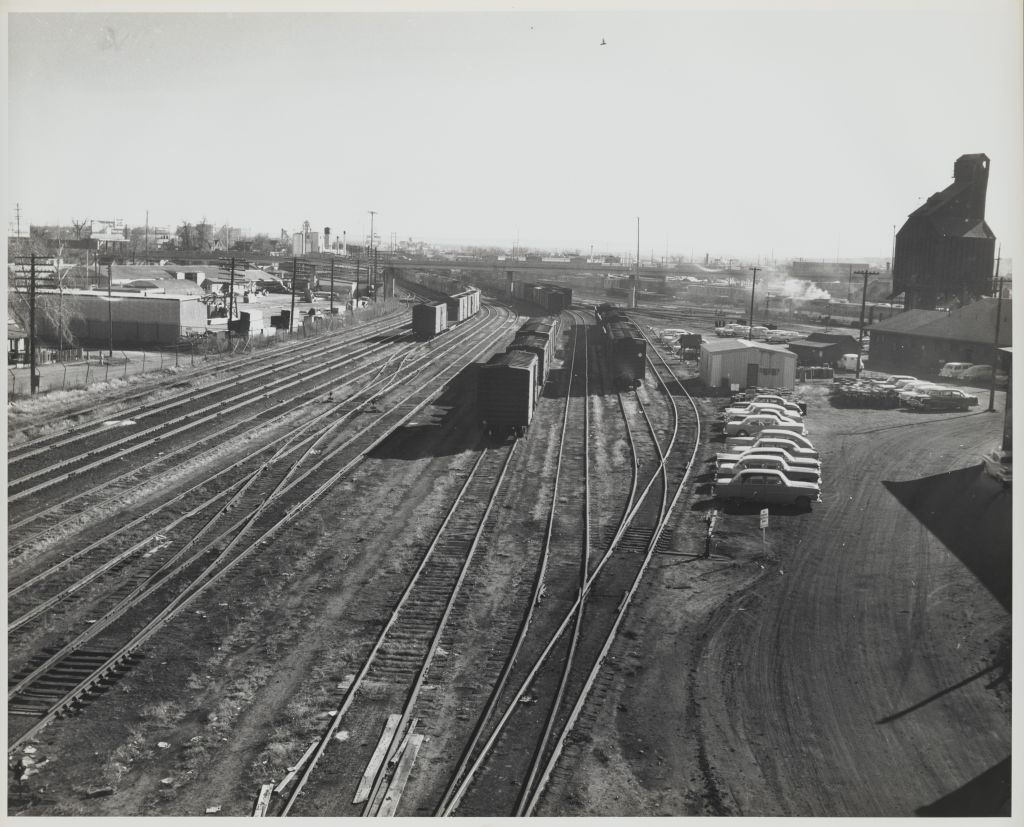
Burnham Yard became the primary facility for repairing, building, and maintaining D&RG locomotives and rolling stock, which played a significant role in Denver’s economic growth.
Late 19th
CenturyEarly 20th
Century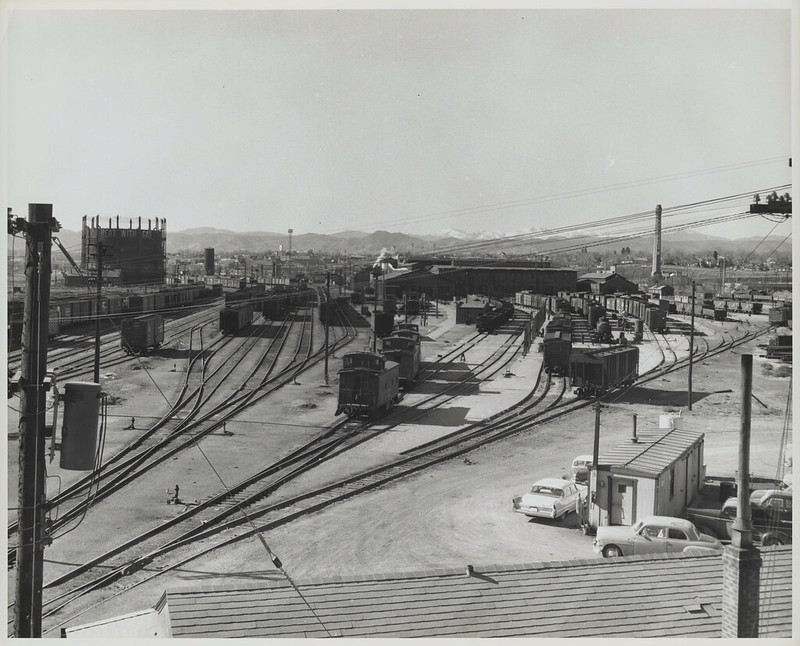
The Coach Shop (1901) and the Backshop (1924) were constructed, reflecting the need for expansion and the important role this site played in D&RG’s operations.
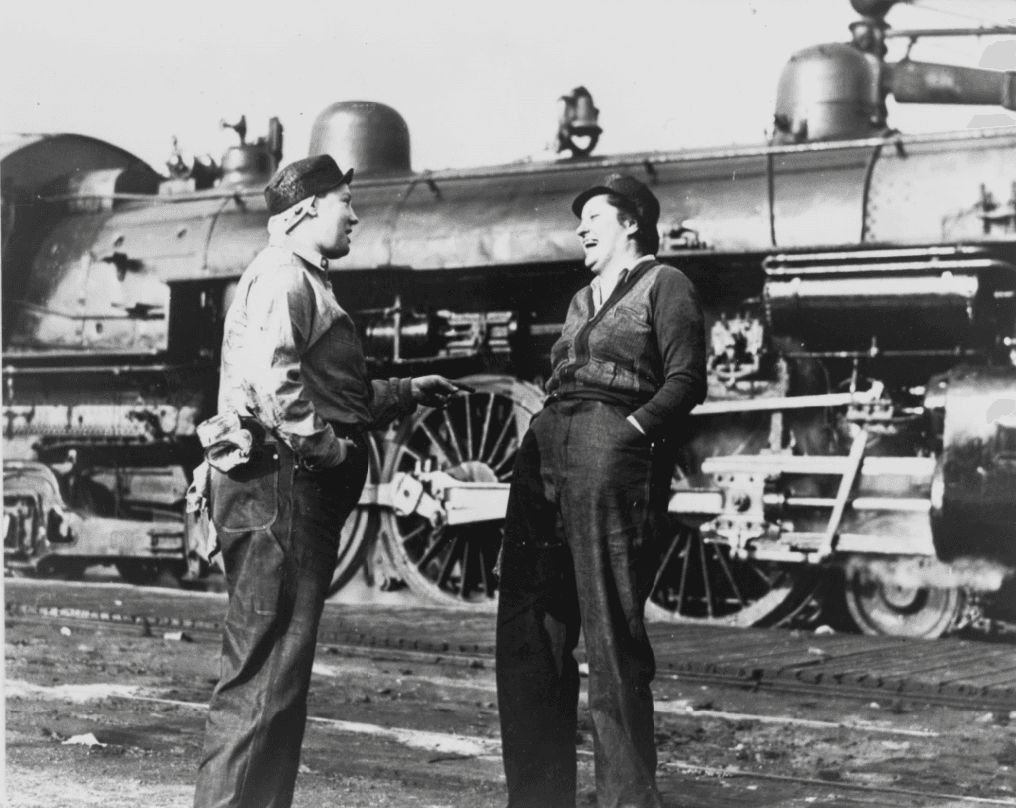
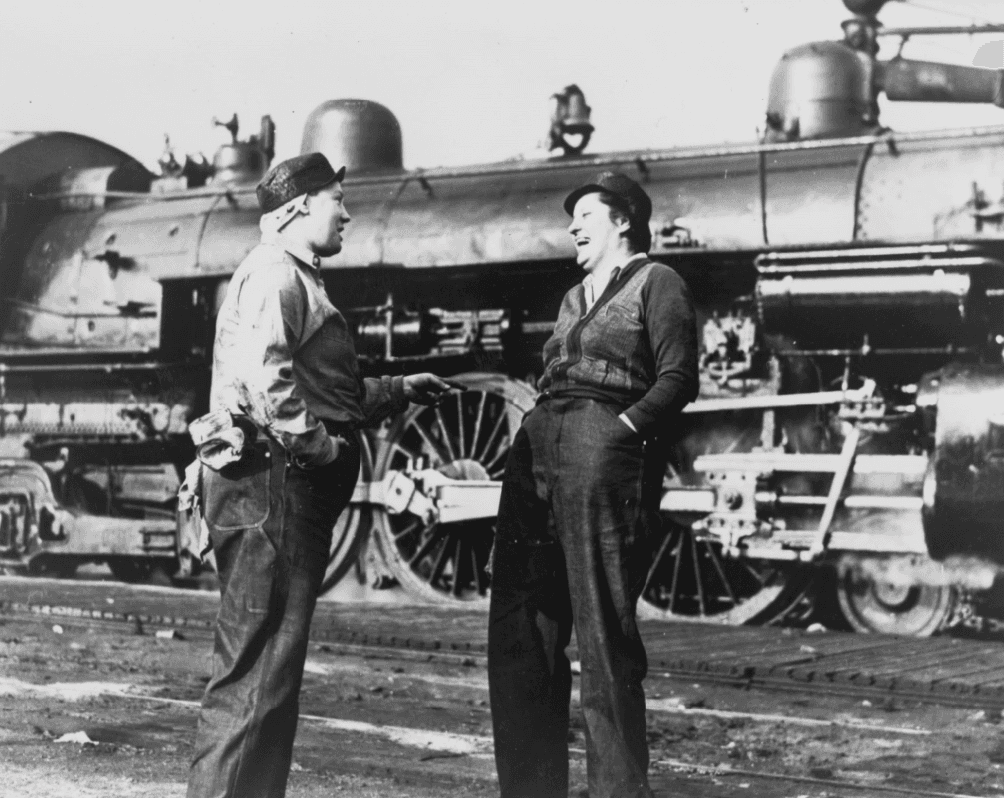
During the war, Burnham Yard saw a sharp increase in the employment of women and African Americans, mirroring national trends. This period marked a significant shift in the workforce and contributed to the broader social changes in job and education prospects for many in Denver and across the country.
World War II
Era1988
D&RG became part of Southern Pacific (SP) Railroad and Burnham Yard continued operations under new management. The merger resulted in the closure of Southern Pacific Railroad’s Sacramento shops and a consolidation of functions at Burnham Yard with more than $15M in investments and more than 400 new workers.
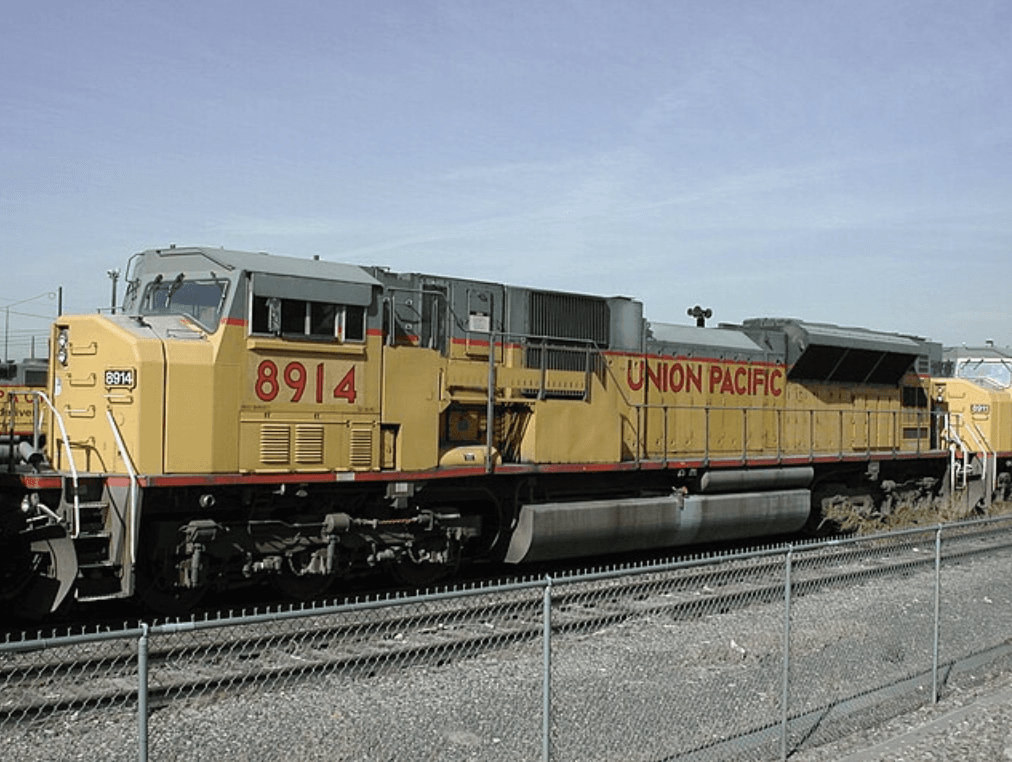
Southern Pacific Railroad merged with Union Pacific Railroad, which maintained operations at Burnham Yard. The yard became Union Pacific’s second-largest locomotive shop, primarily servicing coal trains out of Wyoming.
1996
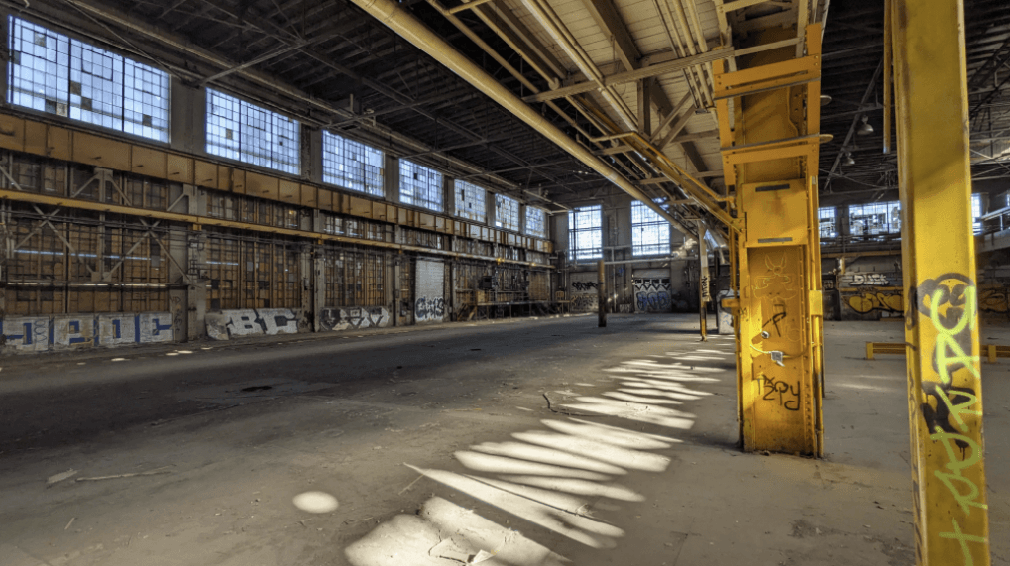
Union Pacific ceased operations at Burnham Yard due to consolidations of operations and declining coal traffic, marking the end of more than a century of continuous use.
2016
2021
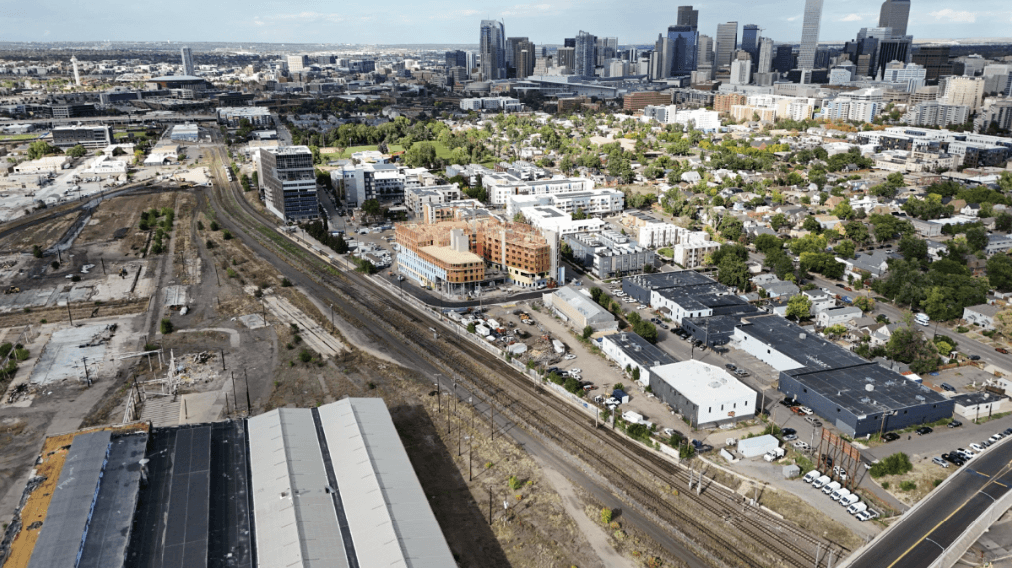
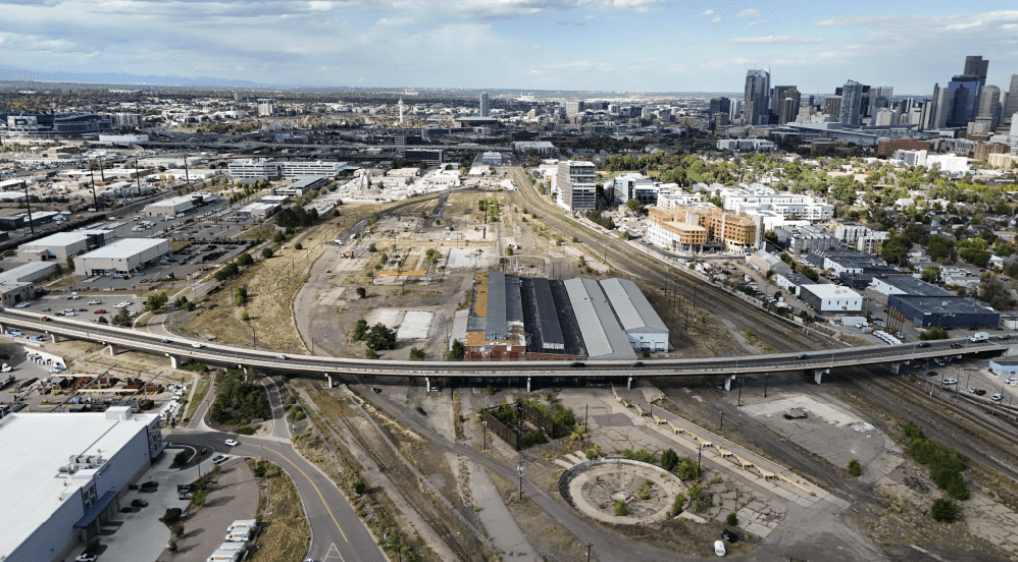
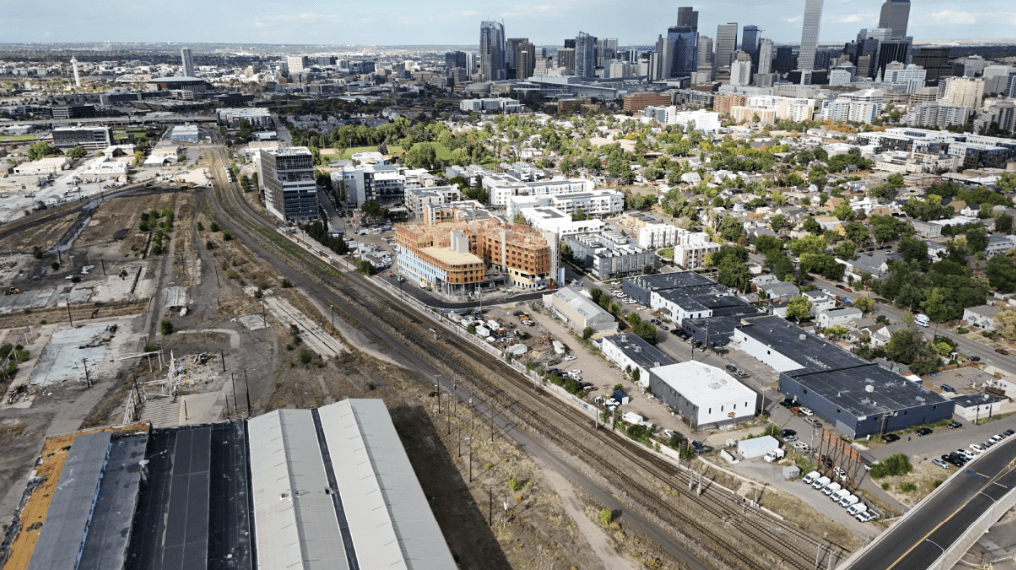
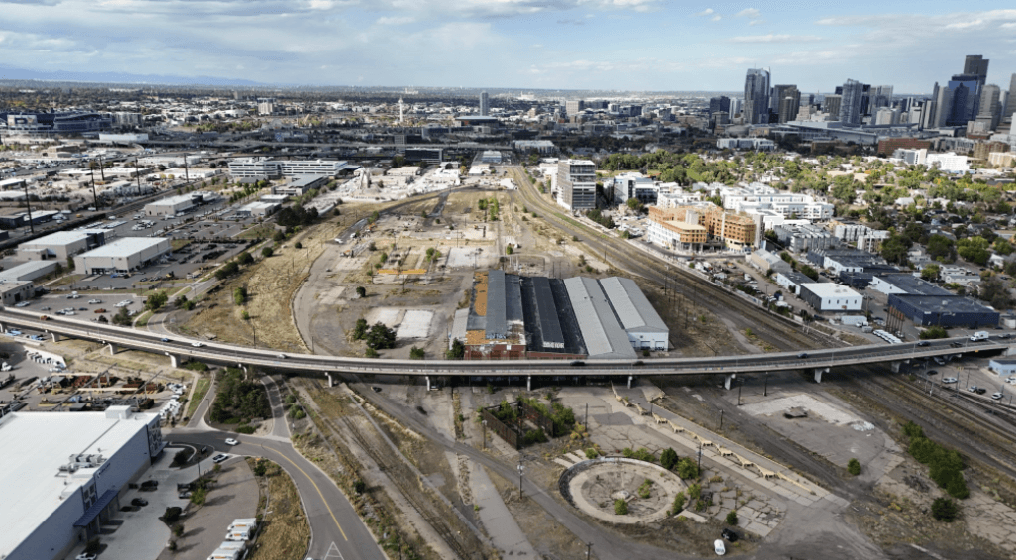
The Colorado Department of Transportation (CDOT) purchased the 58-acre Burnham Yard site with the intent of improving mobility through the introduction of passenger rail and/or expanding RTD light rail as well as exploring redevelopment opportunities.
New Broncos Stadium
2025
The Denver Broncos, along with the city of Denver and the state of Colorado, announce Burnham Yard as the preferred site for a world-class stadium and mixed-use community

2025
The Colorado Department of Transportation (CDOT) purchased the 58-acre Burnham Yard site with the intent of improving mobility through the introduction of passenger rail and/or expanding RTD light rail as well as exploring redevelopment opportunities.
2021
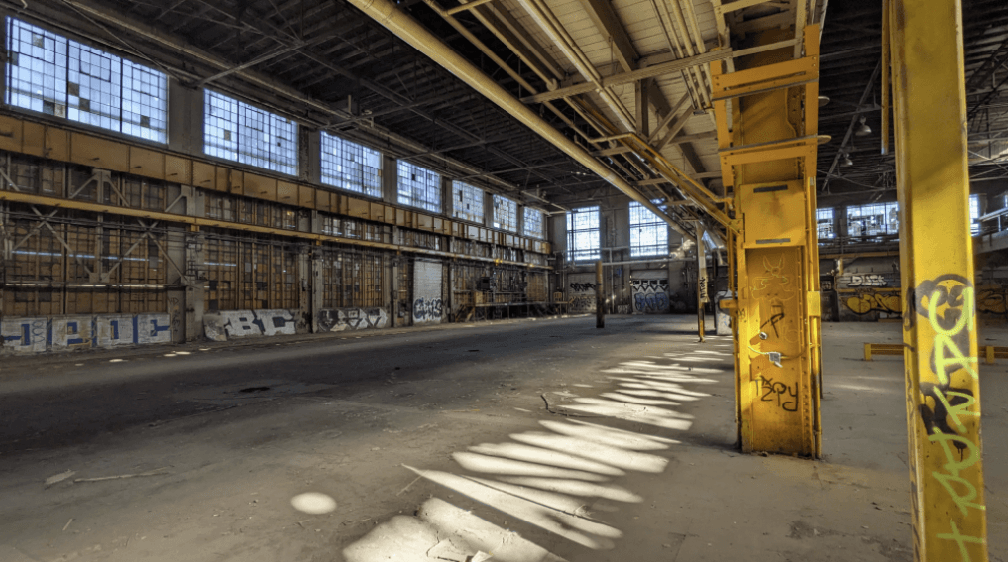
Union Pacific ceased operations at Burnham Yard due to consolidations of operations and declining coal traffic, marking the end of more than a century of continuous use.
The Denver & Rio Grande Railroad (D&RG) acquired the land from territorial governor Alexander Cameron Hunt five years before Colorado statehood. Burnham Yard was named after George Burnham of Baldwin Locomotive Works.
1871
Burnham Yard became the primary facility for repairing, building, and maintaining D&RG locomotives and rolling stock, which played a significant role in Denver’s economic growth.
Late 19th
Century
The Coach Shop (1901) and the Backshop (1924) were constructed, reflecting the need for expansion and the important role this site played in D&RG’s operations.
Early 20th Century
During the war, Burnham Yard saw a sharp rise in the employment of women and African Americans, reflecting national trends. This shift played a key role in broader social changes, expanding job and education opportunities in Denver and beyond.
World War II Era
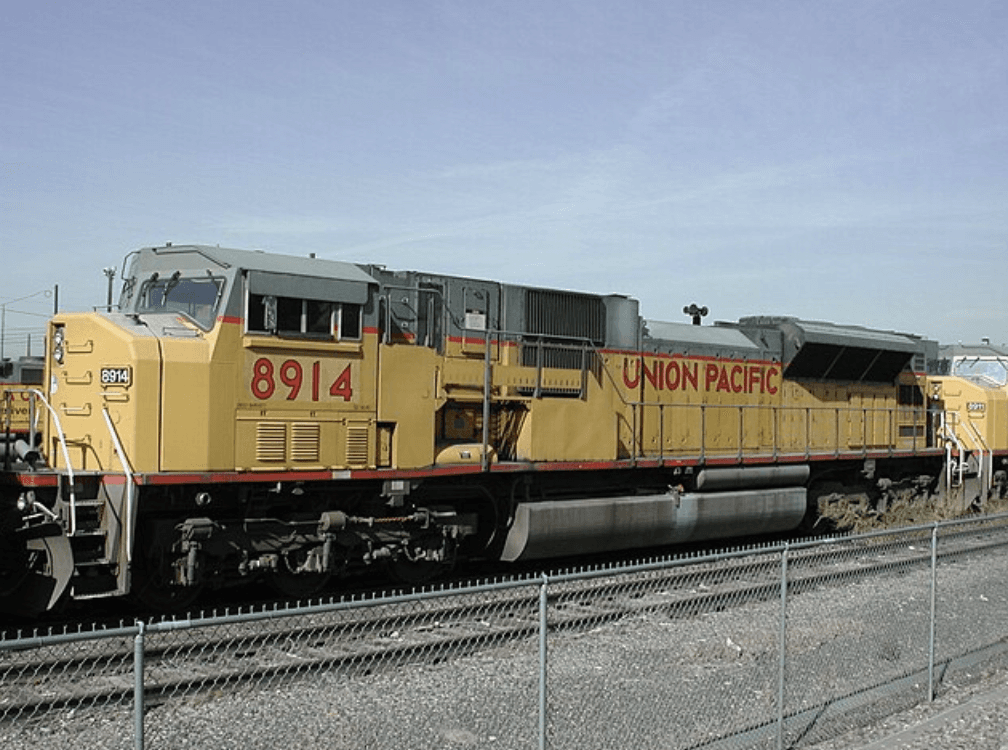
D&RG merged into Southern Pacific (SP) Railroad, keeping Burnham Yard operational under new management. The merger closed SP’s Sacramento shops, consolidating operations at Burnham Yard with $15M in investments and 400+ new workers.
Southern Pacific Railroad merged with Union Pacific Railroad, which maintained operations at Burnham Yard. The yard became Union Pacific’s second-largest locomotive shop, primarily servicing coal trains out of Wyoming.
1996
1988




2016
Before Denver was Denver, it was home to the Ute, Cheyenne, and Arapaho tribes, among several others.
The Denver Broncos, along with the city of Denver and the state of Colorado, announce Burnham Yard as the preferred site for a world-class stadium and mixed-use community
2025
The Colorado Department of Transportation (CDOT) purchased the 58-acre Burnham Yard site with the intent of improving mobility through the introduction of passenger rail and/or expanding RTD light rail as well as exploring redevelopment opportunities.
2021
Union Pacific ceased operations at Burnham Yard due to consolidations of operations and declining coal traffic, marking the end of more than a century of continuous use.
The Denver & Rio Grande Railroad (D&RG) acquired the land from territorial governor Alexander Cameron Hunt five years before Colorado statehood. Burnham Yard was named after George Burnham of Baldwin Locomotive Works.
1871
Burnham Yard became the primary facility for repairing, building, and maintaining D&RG locomotives and rolling stock, which played a significant role in Denver’s economic growth.
Late 19th
Century
The Coach Shop (1901) and the Backshop (1924) were constructed, reflecting the need for expansion and the important role this site played in D&RG’s operations.
Early 20th Century
During the war, Burnham Yard saw a sharp rise in the employment of women and African Americans, reflecting national trends. This shift played a key role in broader social changes, expanding job and education opportunities in Denver and beyond.
World War II Era
D&RG merged into Southern Pacific (SP) Railroad, keeping Burnham Yard operational under new management. The merger closed SP’s Sacramento shops, consolidating operations at Burnham Yard with $15M in investments and 400+ new workers.
Southern Pacific Railroad merged with Union Pacific Railroad, which maintained operations at Burnham Yard. The yard became Union Pacific’s second-largest locomotive shop, primarily servicing coal trains out of Wyoming.
1996
1988
2016